









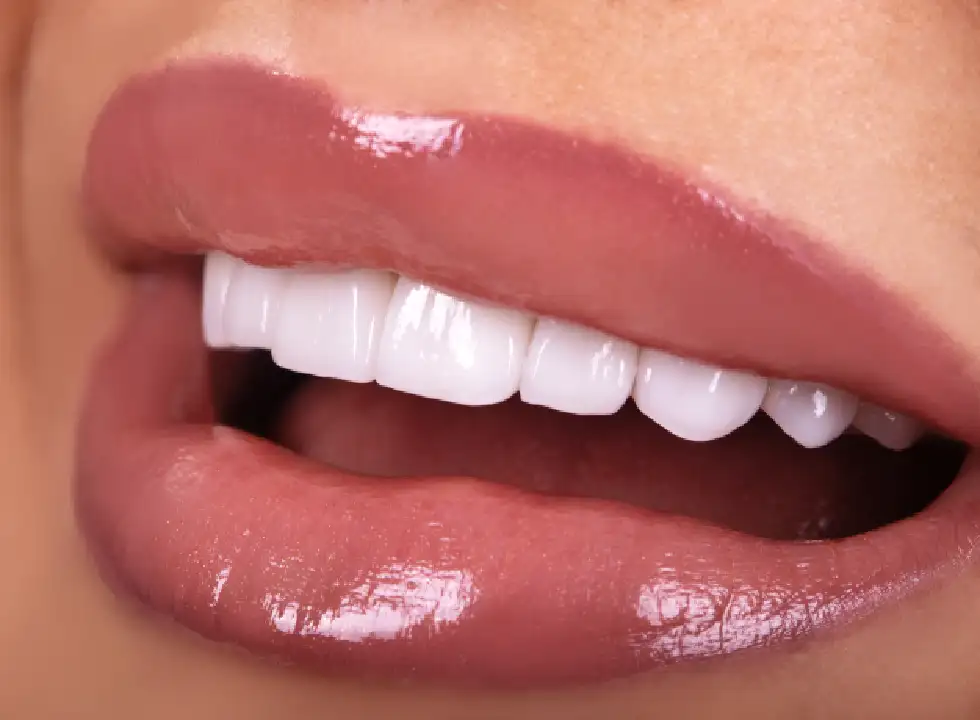
Porcelain Vs. Composite: Which Dental Veneer Is Right For You?
A smile holds incredible power in every greeting, conversation, and photograph. That single feature can light up a room or leave someone feeling self-conscious. Dental imperfections like chips, stains, or uneven spacing often steal confidence.
Fortunately, modern cosmetic dentistry offers two fantastic solutions in the form of porcelain and composite options. This guide breaks down the differences to help anyone select the ideal dental veneers.
Porcelain veneers offer lasting beauty:
Porcelain veneers are thin shells crafted from high-quality ceramic material. These restorations resist stains remarkably well over many years. Porcelain reflects light similarly to natural tooth enamel. This quality creates a lifelike appearance that blends seamlessly with surrounding teeth. Fabrication takes place in a dental laboratory.
The process typically involves two separate visits. One visit prepares the teeth and takes impressions. The second visit bonds the final restorations into place. Porcelain veneers usually last between ten to fifteen years. Proper oral hygiene and regular checkups help extend this lifespan.
Composite veneers provide quick solutions:
Composite veneers use a tooth-colored resin material applied directly to teeth. A skilled cosmetic dentist sculpts and shapes this pliable substance by hand. Hardening occurs with a special curing light during a single appointment. This same-day convenience appeals to busy individuals. Composite resin costs less than porcelain alternatives.
The material allows for easy repairs if minor chips occur later. Composite veneers typically last between four to eight years. Staining from coffee, tea, or wine can occur over time. Regular polishing appointments help maintain their bright appearance.
Preparation differences affect natural teeth:
Porcelain veneers require removing a thin layer of tooth enamel. This preparation ensures a proper fit and natural contour. Tooth reduction remains permanent. Composite veneers need minimal or no enamel removal. The dentist lightly roughens the tooth surface for better resin adhesion. This conservative approach preserves more natural tooth structure.
Porcelain offers superior strength against biting forces. Composite resin proves more flexible and less likely to crack under pressure. Each material serves different functional needs.
Color stability varies between materials:
Porcelain maintains its original shade for many years. The glazed surface resists external staining agents effectively. This permanence makes porcelain ideal for dark or stubborn discoloration. Composite resin absorbs pigments from foods and beverages gradually. Touch-ups or reapplication restore the desired brightness.
The resin material allows for subtle color blending during placement. Natural teeth shade changes over time affect composite more noticeably. Porcelain provides greater predictability in long-term color outcomes.


Related Post

Why Your Dryer Is Overheating and What It Means
When a dryer starts overheating, it can be a troubling issue that requires immediate attention. Overheating isn’t just inconvenient. It...

Determining Fault In Pedestrian Accidents – What a Lawyer Can Do?
Pedestrian accidents can result in devastating injuries and complex legal proceedings. Determining fault in these cases requires a thorough investigation...

Why Hiring A Personal Injury Lawyer Makes A Difference
What happens after an accident may feel confusing or stressful. Paperwork, doctor visits, and other steps may begin to build...

How Criminal Lawyers Handle High-Profile Media Attention
A high-profile criminal case can quickly attract cameras, headlines, online comments, and public opinions. News coverage can place intense pressure...

How To Pair Formal Blazers With Different Trousers
A stylish man stands out because his outfit looks balanced from head to toe. A blazer can change the entire...

The Role Of Debt Collection Lawyers In Commercial Disputes
Business disagreements can create financial pressure for companies of every size. Late payments, unpaid invoices, and broken contracts can interrupt...